


Lippincott Review for NCLEX-PN
4.724.00 Reviews
App Specs
- Version
- 4.16.0
- Updated On
- License
- Free
- Downloads
- 10,000+
- Developer
- Skyscape Medpresso Inc
- Categories
- Medical
- Platform
- Android
Screenshots
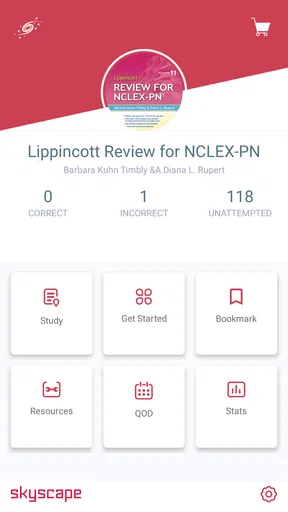
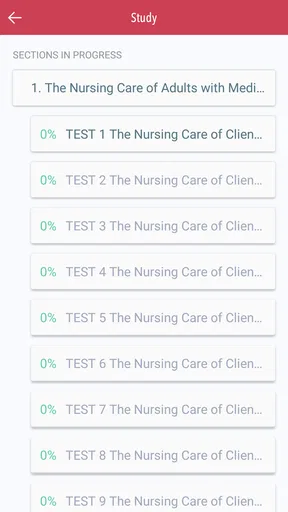
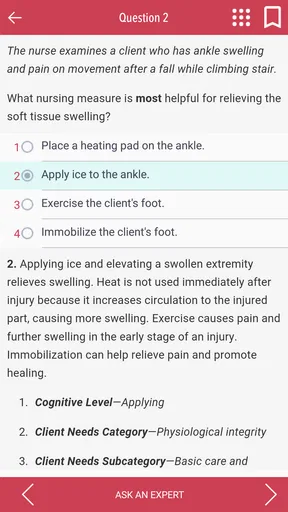
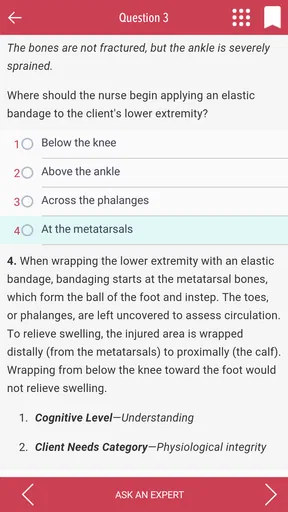
 Analysis by AppCompare
I found Lippincott Review for NCLEX-PN most useful as a focused practice companion rather than a complete nursing course. It is a medical education app from Skyscape Medpresso Inc, built around a large bank of NCLEX-PN questions with explanations. That narrow purpose is also its main strength: when I want to test whether I can apply a nursing concept under exam-style pressure, I can get to practice quickly instead of sorting through a broad library of lessons.
The app is free to install and suitable for Everyone, although some of its deeper content is offered through in-app purchases ranging from $22.99 to $44.99 per item. It has a 4.7 average from around 121 ratings and has passed 10K+ installs, which suggests a modest but positive user base. In my experience, the important question is not whether it replaces every other NCLEX resource. It does not. The better question is whether a question-and-rationale format fits the way you currently study.
How the question-and-rationale format works in real study sessions
The central idea is straightforward: use practice questions to expose weak areas, then study the reasoning behind each answer. The app’s store summary points to 2000 questions with rationale, so this is not a tiny quiz tool intended only for a quick demonstration. It is designed to support repeated practice over time, especially when you need to move beyond recognizing definitions and start deciding what a practical nurse should do first.
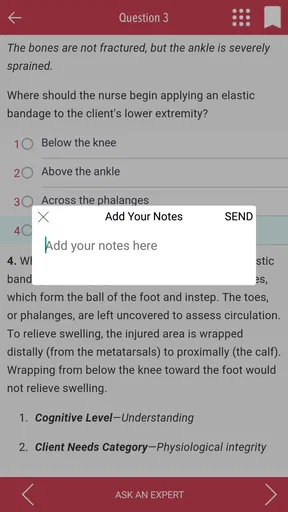
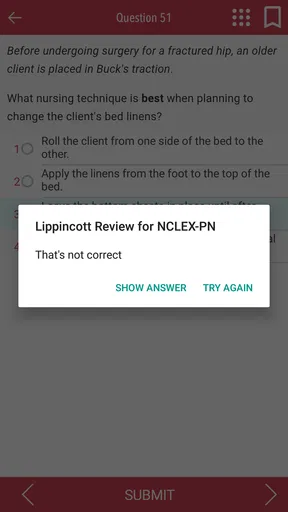
I like this approach because answering a question forces a decision. Reading a chapter can create the comfortable feeling that a topic is familiar, while a question reveals whether I can prioritize assessment, safety, intervention, or teaching when several answers sound plausible. The rationale is particularly important in that situation. A correct answer without an explanation only tells me that I selected the right option once. A useful explanation helps me understand why the alternatives are less appropriate.
For a realistic study session, I would not simply race through as many questions as possible. I would begin with a small set, answer without checking notes, and mark the concepts that caused hesitation even when the final choice was correct. Then I would review the rationale slowly and write a short note in my own words. That workflow turns the app from a passive quiz into an error-detection tool.
A less obvious benefit is that uncertainty itself becomes useful information. If I guessed correctly because two choices looked similar, that question deserves attention just as much as a wrong answer. Students often track only their score, but an NCLEX-style question bank is more valuable when it shows where reasoning is fragile. I would keep a separate list of recurring problems such as confusing an immediate safety action with a later teaching point, or choosing a technically correct intervention that is not the priority.
Why the rationales matter more than the score
The strongest part of this kind of app is not the number of questions on the screen. It is the opportunity to compare the chosen answer with the logic behind the best answer. In practical nursing preparation, several options can be medically related to the situation, yet only one may reflect the priority expected in the question. Reviewing the explanation helps me see the decision pattern instead of memorizing an isolated fact.
Worth Reading Before You Choose

Flipboard Shows What News Apps Must Do Beyond the Feed

Switching to Android Auto Means Rethinking Your Driving Routine

Google Calendar Makes a Crowded Week Easier to Manage

Ludo King Makes the Most of the Minutes Between Plans

Baby Panda World Brings Quick Play to Modern Phones, but Its Game Library Feels Busy

ESPN’s Live Game View Makes Following Close Games Easier
I recommend reading every rationale, including those attached to questions I answer correctly. A right answer may come from elimination, partial knowledge, or luck. If the explanation introduces a distinction I could not clearly state before answering, I treat the item as unfinished work. This is one of the most effective ways to use the app without being misled by an encouraging percentage.
Another useful habit is to delay looking back at the answer after a study break. I can revisit a difficult item later and explain the reasoning aloud before reading the rationale again. If my explanation does not match the clinical priority, I have found a genuine learning gap. This makes the app more valuable during the final stages of preparation, when the goal is to make decisions consistently rather than collect more notes.
The format also suits short sessions. A student waiting between classes, commuting as a passenger, or taking a brief evening break can work through a small group of questions without opening a textbook. I would still reserve longer periods for reviewing disease processes, pharmacology, and nursing fundamentals in depth, but the app can fill the spaces between those sessions with active recall.
Where it fits beside textbooks, classes, and larger prep systems
I would place this app between a traditional review book and a full exam-preparation platform. A textbook is better when I need a structured explanation from the beginning, especially for a topic I have never understood. A lecture or instructor is better when I need clarification tailored to my exact confusion. A larger preparation system may be preferable when I want a broad schedule, extensive performance analytics, or several types of adaptive practice.
This app’s advantage is concentration. It keeps the study action close to the question: read, decide, inspect the rationale, and identify the gap. That makes it less intimidating than a large platform with many dashboards and content paths. At the same time, concentration means it should not be mistaken for a complete curriculum. Questions can show me that I am weak in a subject, but they may not teach every prerequisite needed to repair that weakness.
My preferred combination would be to use a nursing text or class material for first-pass learning, then use the app to test retention. When an explanation exposes a repeated problem, I would return to the relevant chapter or instructor notes rather than repeatedly answering similar questions until the wording becomes familiar. That distinction matters because memorizing the appearance of an item is not the same as understanding the underlying nursing judgment.
A practical workflow for building useful review habits
I would divide preparation into three phases. Early on, I would use the questions diagnostically and accept a lower score as information. The purpose at that stage is to discover which subjects require organized review. In the middle phase, I would mix familiar and unfamiliar topics so that I could practice switching mental gears. Near the exam, I would use timed, distraction-free sessions and focus on the quality of my reasoning rather than trying to finish the entire question bank in a rush.
After each session, I would sort mistakes into three groups: knowledge gaps, reading errors, and priority errors. A knowledge gap means I did not know the relevant concept. A reading error means I missed a qualifier such as “first,” “best,” or “needs further teaching.” A priority error means I understood the situation but selected an action that came too late. These categories produce different remedies, and the app becomes much more useful when I do not treat every wrong answer as the same kind of failure.
One trade-off is worth keeping in mind: repeated practice can improve speed, but speed should come after careful interpretation. If I answer rapidly and immediately move on, I may train myself to react to familiar keywords instead of assessing the whole scenario. I would rather complete fewer questions with a written explanation of my choice than chase a large daily total with shallow review.
The limits I noticed before recommending it
The most important limitation is scope. A question bank with rationales can sharpen exam reasoning, but it cannot replace supervised clinical learning, classroom instruction, or a systematic review of material that I do not yet understand. Someone who is struggling with core anatomy, medication principles, or basic patient-care concepts may become frustrated if they rely on questions alone. In that case, a textbook, instructor, or more structured course should lead the study plan.
There is also a psychological trap in any practice-question app: a familiar format can feel like progress even when the same mistakes keep returning. I would avoid judging readiness from a single session. A better test is whether I can explain why an answer is correct, why the alternatives are weaker, and how the reasoning would change if one important detail changed in the scenario.
The free entry point is convenient, but the presence of paid items means I would check exactly what content is available before building my entire preparation plan around the app. The listed purchase range is significant enough that a student should compare the cost with existing review books, school resources, or other preparation tools. Free installation does not automatically mean the complete study experience will remain free.
I would also be cautious about using it as a substitute for current guidance from a nursing program or official examination information. Practice questions are educational exercises, not personal medical advice and not a guarantee of exam readiness. When an explanation conflicts with what an instructor teaches, I would pause and resolve the difference through an authoritative course resource rather than assuming the app should settle it.
Another limitation is that a question-and-rationale workflow demands self-discipline. The app can present practice, but I still have to decide how to review mistakes, when to revisit a topic, and whether I am learning concepts or memorizing patterns. Students who want a fully guided calendar may find a more comprehensive platform easier to follow. Students who already have a study plan may appreciate the freedom, but they need to supply the structure themselves.
Who will get the most from it
I think the best audience is a practical nursing student who has already encountered the major subjects and now needs frequent application practice. It is especially suitable for someone who studies in short blocks, wants to identify weak reasoning, and is willing to read explanations rather than treating questions as a simple score game. The sizable question collection also makes it more appropriate for repeated use than a small sample quiz.
It can work well for a student in the middle of a review schedule. For example, after finishing a classroom unit on respiratory care, I could use a focused session to see whether I can prioritize assessment and intervention in unfamiliar wording. The next day, I could revisit the rationales for uncertain answers and return to my notes only where the explanations exposed a gap. This keeps practice connected to learning instead of separating the two completely.
It is also useful for a graduate who wants to rebuild exam habits after time away from school. In that situation, I would begin slowly and use the rationales to identify subjects that need a fuller refresher. The app can provide a practical starting point without requiring a complete course on the first day, but I would not interpret an early low score as a final judgment about ability.
I would recommend a different primary tool to a beginner who needs step-by-step teaching, a learner who depends on instructor feedback, or someone looking for an all-in-one program with a tightly managed schedule. I would also skip making this the only resource if I tend to memorize answer patterns or avoid reviewing mistakes. The app rewards active reflection; it cannot create that habit on my behalf.
Device expectations and basic product details
The app was released on April 18, 2018, and the current version is 4.16.0. It supports devices running Android 5.0 or later. Those details matter mainly for students using an older phone or tablet, because compatibility should be checked before planning a mobile-only study routine.
The medical category and Everyone content rating make its purpose clear: this is an educational tool aimed at general access, not a clinical decision system for treating a particular patient. I would use it in a quiet place, keep a notebook nearby, and avoid studying while performing patient-care duties. The app belongs in exam preparation, not in place of workplace protocols or professional supervision.
Skyscape Medpresso Inc has kept the product focused on the Lippincott NCLEX-PN review experience rather than presenting it as a general nursing reference. That focus is helpful when I need questions quickly, but it also explains why I would pair it with broader resources. Its role is clearest when I treat it as the practice layer of a larger plan.
My final recommendation
After using it as a practice companion, I see Lippincott Review for NCLEX-PN as a worthwhile option for learners who want question-based preparation with rationales and already have access to foundational teaching. Its strongest contribution is making me explain clinical priorities instead of merely rereading familiar material. The free installation lowers the barrier to trying the format, while the paid content means I would review the available material and total cost before committing.
My recommendation is positive but specific: use it to diagnose weaknesses, practice prioritization, and build consistency across short study sessions. Do not use it as your only source for learning unfamiliar nursing content, and do not confuse a high practice score with complete readiness. If you want a focused bank of NCLEX-PN questions and are prepared to do the reflective work behind each answer, this app can earn a regular place in your study routine.
Pros
- Focused practice questions aligned with NCLEX-PN preparation needs.
- Detailed rationales help explain why each answer is correct.
- Useful for reviewing nursing concepts in short study sessions.
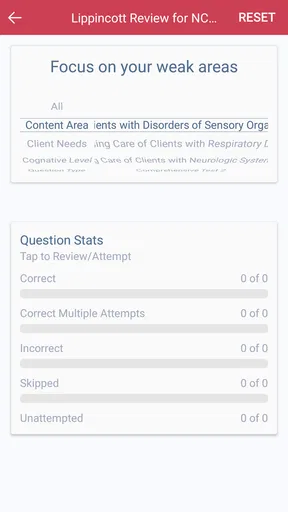
- Progress tracking makes it easier to monitor preparation over time.
- Can support study away from textbooks and classroom materials.
Cons
- Some content may require an in-app purchase or subscription.
- The large question bank can feel repetitive during intensive study.
- Explanations may not cover every topic in the depth of a textbook.
- Requires consistent self-discipline without a structured study schedule.
- Interface and features may feel basic compared with newer study apps.
FAQs for Lippincott Review for NCLEX-PN
What is Lippincott Review for NCLEX-PN?
Lippincott Review for NCLEX-PN is a nursing exam preparation app designed for students preparing for the NCLEX-PN licensing examination. It typically combines practice questions, answer explanations, study tools, and progress features in one mobile resource. The app is intended to support structured revision and test familiarity, but it should be used alongside official exam information, nursing coursework, and other reliable preparation materials.
What type of study content does the app provide?
The app focuses on practice-based preparation for the NCLEX-PN, with questions covering important practical nursing topics and clinical situations. Depending on the version and subscription, users may find detailed rationales, topic-based quizzes, mixed exams, performance tracking, and review options. The explanations are particularly useful because they help clarify why an answer is correct rather than simply showing the correct choice.
Is Lippincott Review for NCLEX-PN suitable for beginners?
Yes, the app can be useful for both students beginning their NCLEX-PN preparation and candidates completing a final review. Beginners may benefit from working through questions by subject and reading every explanation carefully, while more advanced users can simulate exam conditions with timed or mixed-question sessions. However, users with limited nursing knowledge should not rely on the app alone, since it is primarily a review and practice tool.
Does the app replace nursing school materials or official NCLEX resources?
No. Lippincott Review for NCLEX-PN should be treated as a supplementary study resource, not a replacement for nursing school instruction, clinical experience, or official guidance from the National Council of State Boards of Nursing and the relevant nursing board. Exam policies, eligibility requirements, registration procedures, and test plans can change, so candidates should always verify current information through official sources before scheduling the examination.
Is Lippincott Review for NCLEX-PN free to download and use?
Availability, pricing, and included features may vary according to the platform, edition, region, and subscription model. Some versions may allow downloading the app at no cost while placing question banks, explanations, analytics, or complete review content behind an in-app purchase or subscription. Before committing, check the store listing for the current price, trial conditions, renewal terms, offline access, and supported devices.


